Why this film
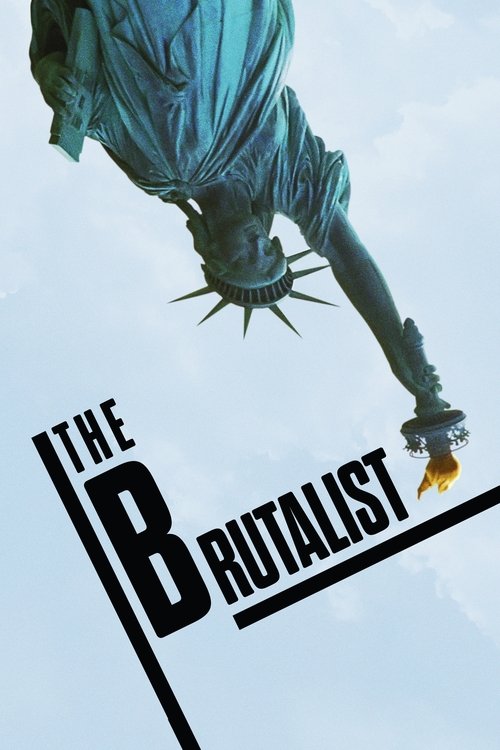
Brady Corbet shot this film on VistaVision — a format from the 1950s. Why? Because the format IS the story. An architect who builds monumental structures deserves a monumental frame. The wide, high-resolution image doesn't just show his buildings — it places you inside a world where scale matters, where space speaks, where every architectural line in the frame echoes the architect's obsession. This is what happens when a filmmaker understands that the container shapes the content.
Key scenes to study
- ●The arrival sequence — VistaVision's width swallows the immigrant in the vastness of America, scale as emotion
- ●The community center construction — architectural geometry within the frame, buildings rising like the character's ambition
- ●The patron's estate — composition shifts as power dynamics shift, the frame itself becomes a cage
What you’ll learn to see
- ✦Understand how format choice (aspect ratio, film stock, resolution) shapes emotional experience before a single word is spoken
- ✦See composition as architecture — how framing can mirror a character's inner world
- ✦Recognize production constraints as creative decisions: VistaVision is expensive and difficult, but the limitation forces discipline