AI Cinema Coach · From Paris
See cinema differently.
Three ways in. Explore films you love with a master cinematographer, paste your own scene for coaching, or take the full screenwriting curriculum he teaches at EICAR. All grounded in Paco Wiser’s 45+ years in cinema and in his teaching.
Free with signup: unlimited Explore + 3 Script Checks. €20/month: unlimited Script Checks + the full Learn program. See plans →
Used by film students at EICAR, Paris · Built by working cinematographer Paco Wiser
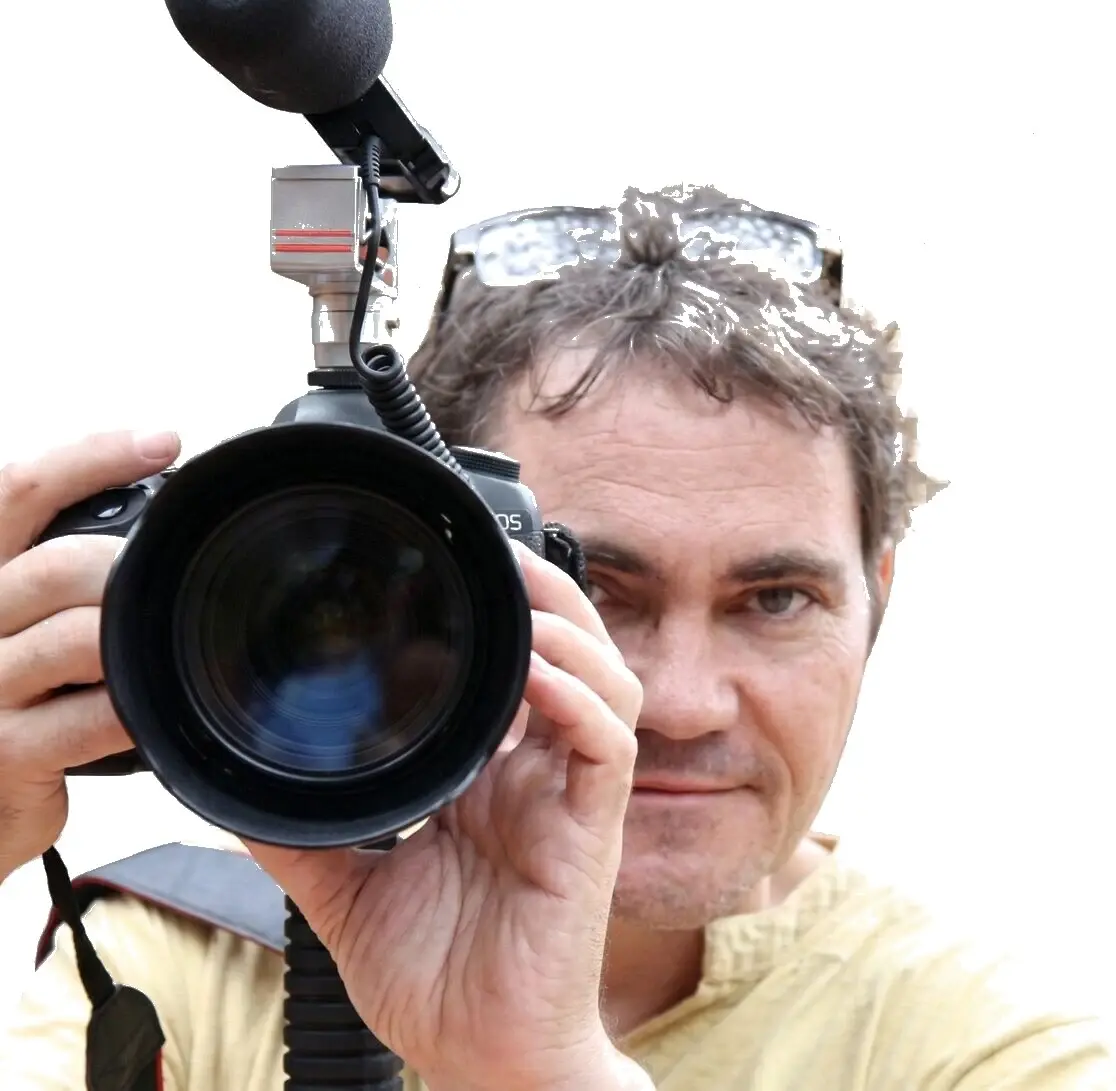

« Le script doctor précis qui ne lâche pas tant qu'il n'a pas obtenu de vous la vérité personnelle et viscérale que doit contenir votre projet. »
The precise script doctor who doesn’t let go until they’ve extracted from you the personal, visceral truth your project must contain.
Three ways in.
Most people start with Explore — it’s lighter, more playful, and changes how you watch movies. Script Check is for when you’re ready to bring your own work. Learn is the full program: Paco’s screenwriting curriculum, adapted to you.
Explore — for film lovers
Pick a film you love. Paco asks you what you noticed — the light, a frame, a sound — and walks you through how it actually works. No script needed, no filmmaking experience required. Just curiosity.
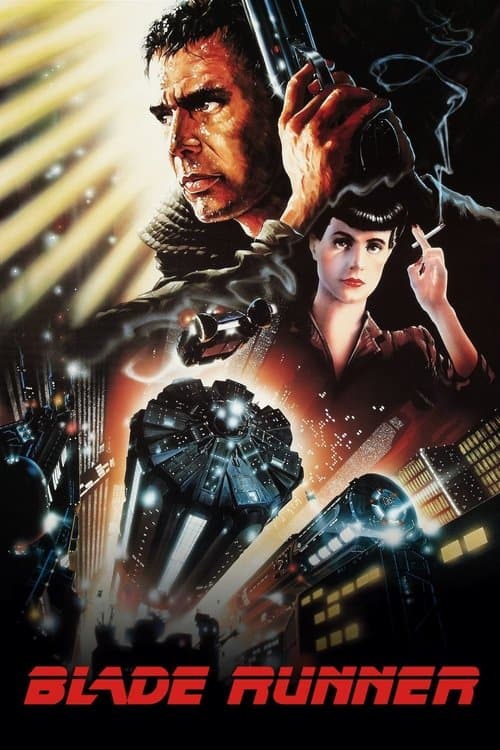
“What is the first image from Blade Runner that lives in your memory?”
Browse 24 curated films →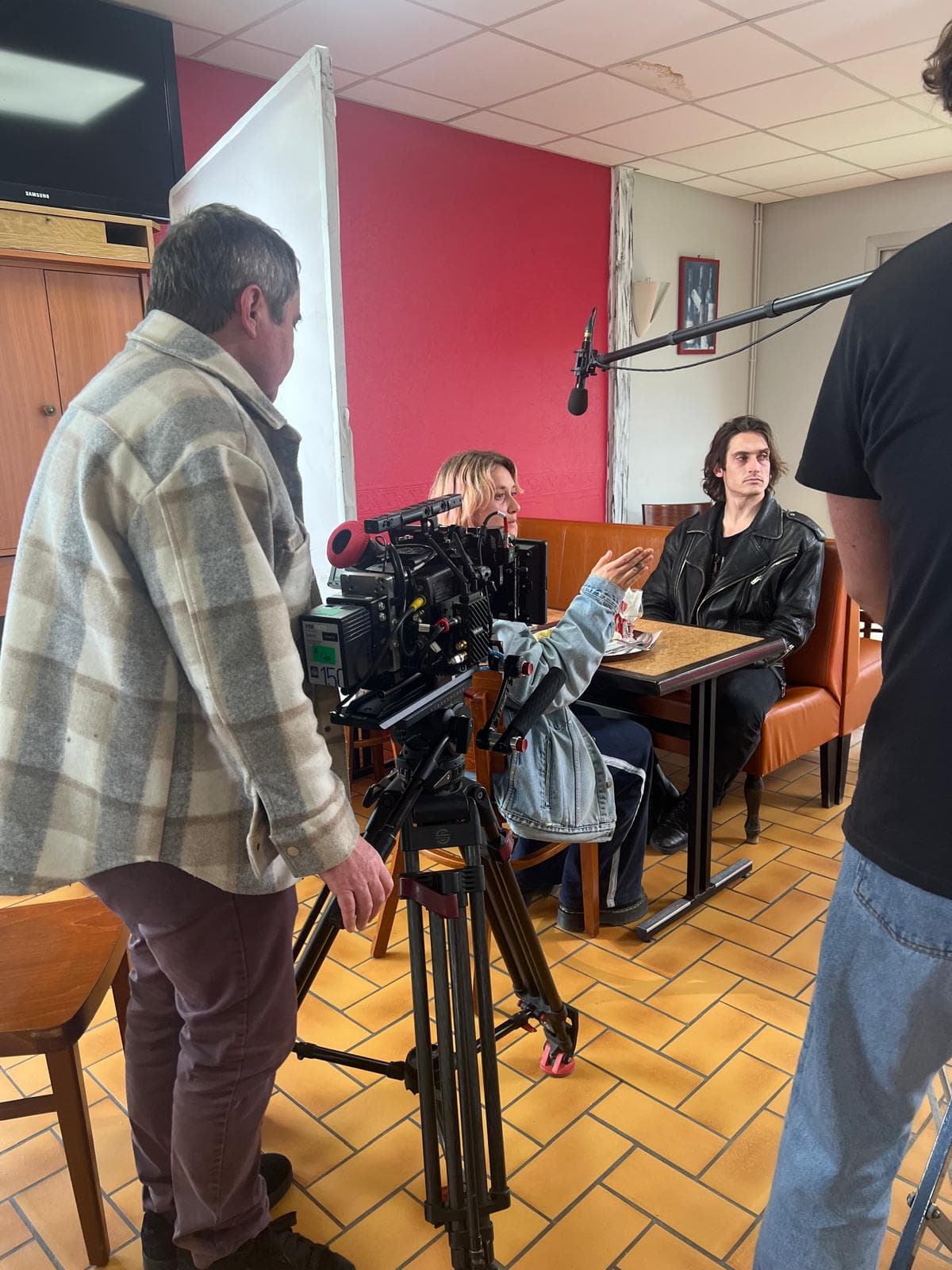
Script Check — for filmmakers
Paste a scene. Get structured feedback in 60 seconds — covering dramatic structure, visual potential, character, and dialogue. Three passes: audience, professional, cinematographer.
“You’ve described geometry. Describe what the light reveals.”
Try it on a scene →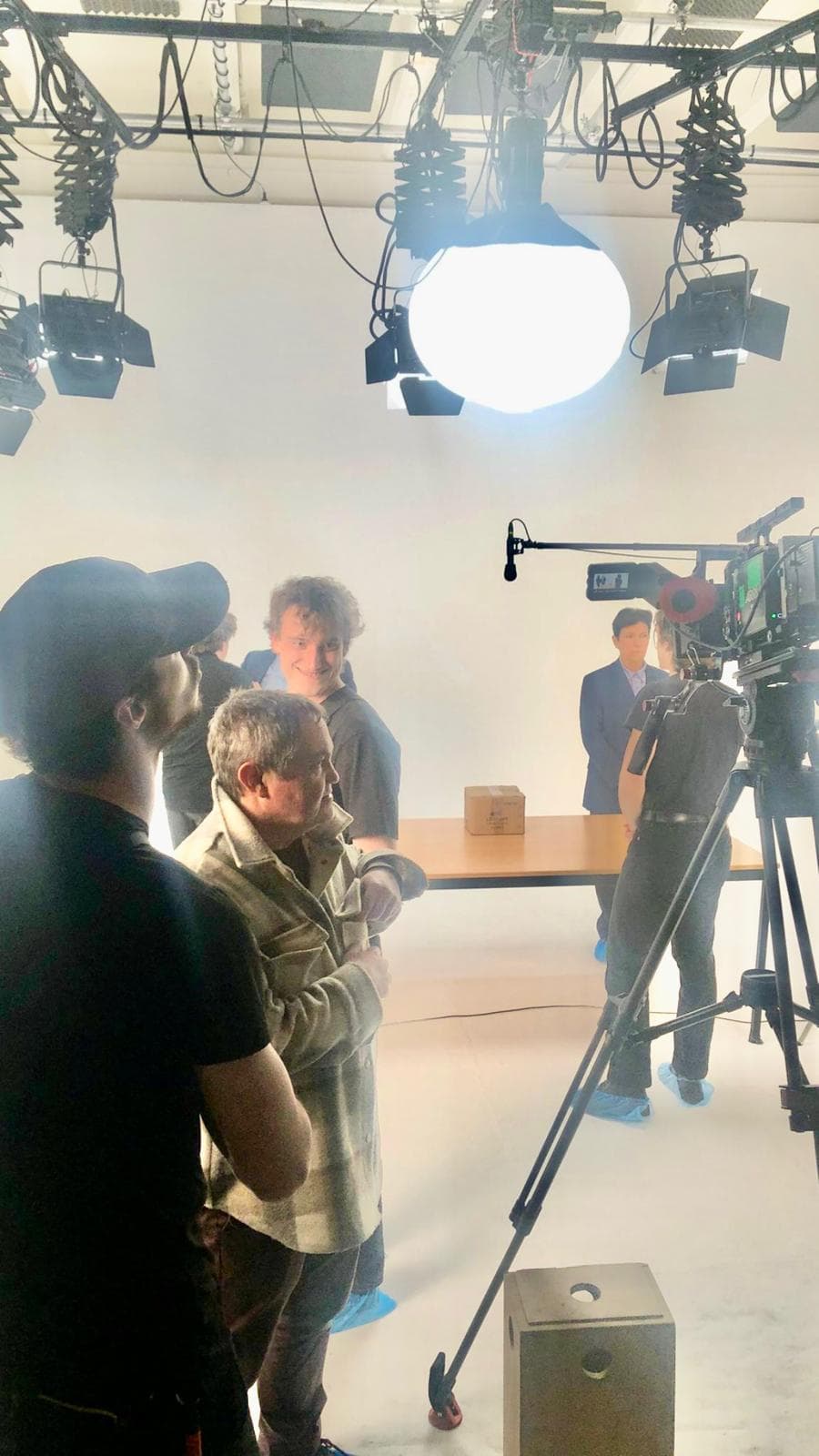
Learn — the full program
Eighteen adaptive exercises across four levels. Paco coaches every submission. Four gate challenges to prove your growth. The same screenwriting curriculum he teaches at EICAR — built to push you, scene by scene.
“You don’t learn cinema by watching. You learn by doing — and then doing it again, differently.”
See the curriculum →Films Paco wants you to think about.
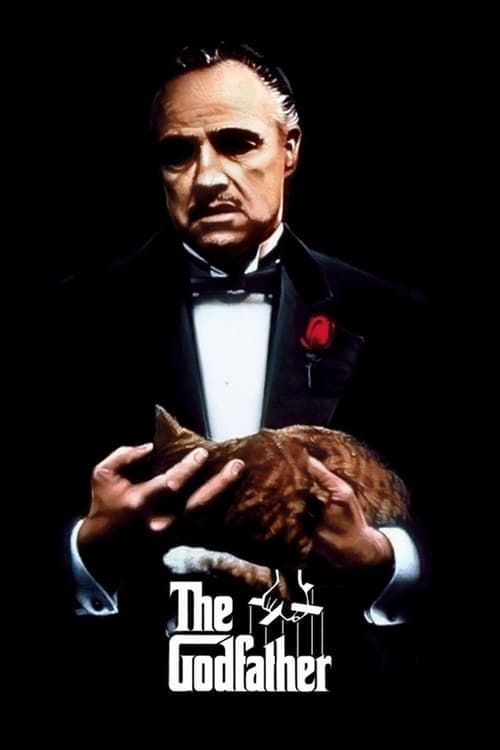
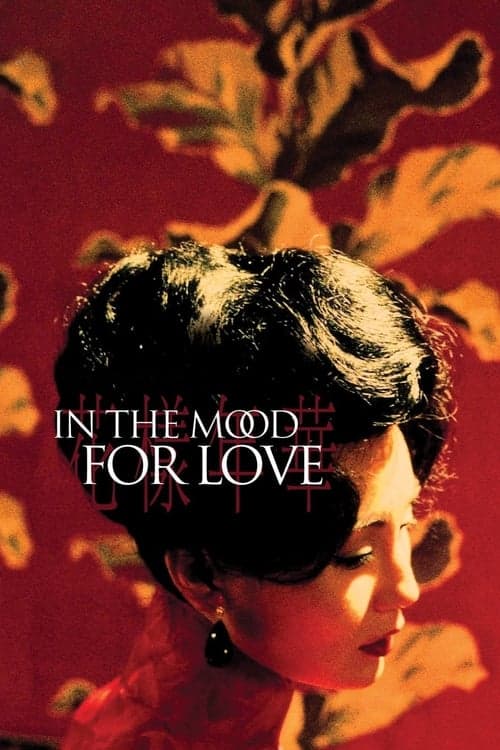
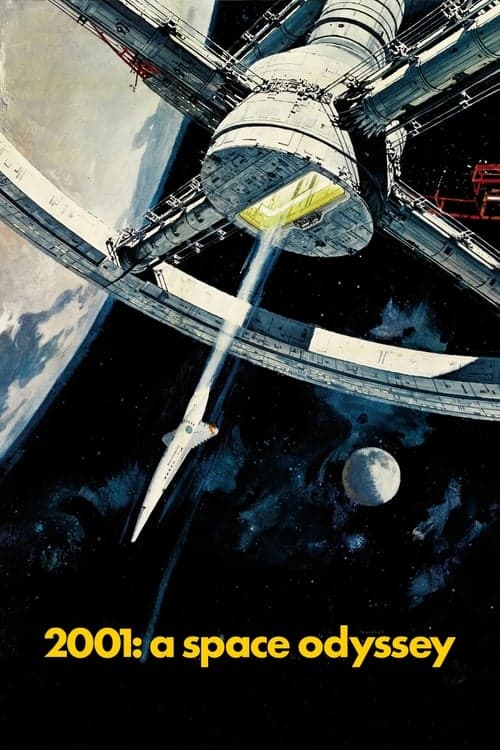
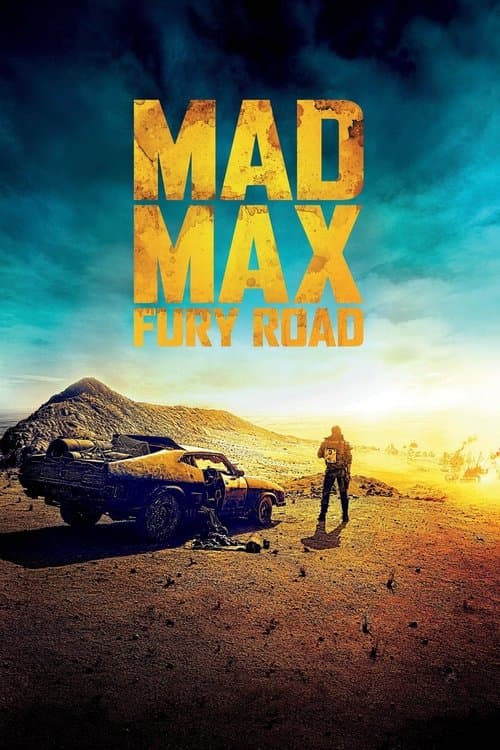
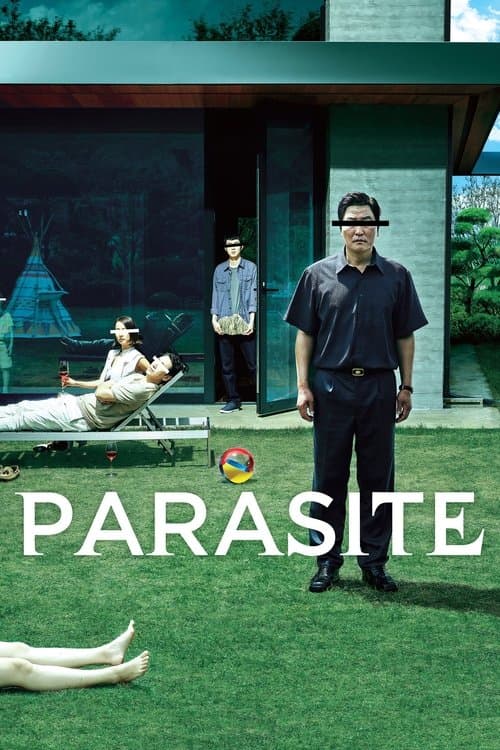
Twenty-four films, six craft lenses, one master cinematographer’s reading of each. Click any poster to start.
Masterclass · Paco Wiser
Forty years behind the camera, in two-minute lessons.
Short clips from Paco’s teaching — the films, the principles, the way of seeing he brings to every session. Free to watch. The full method lives in Learn.

Why Write a Script — Chapter One
Paco's book, filmed as a seven-lesson masterclass. Watch in order, then bring your own idea to Script Check.
Start the masterclass →De Niro mimes a scene — The Last Tycoon
Robert De Niro mimes an entire scene from nothing — the best master class on screenwriting ever filmed.
Show, don’t tell — Anatomy of a Fall
How Justine Triet’s Palme d’Or screenplay reveals character without ever explaining it.
Be a great spectator first
Before you can direct an audience, you have to learn to watch like one.
The film that made a cinematographer
Twenty Thousand Leagues Under the Sea, age six — and a lifelong obsession with the image.
Ibsen’s gun, Hitchcock’s bomb
The rule of tension, from the theatre of Ibsen to the cinema of Hitchcock.
Get to the point
A Hollywood master’s blunt first lesson — and why it still holds.
Trained on Paco’s actual teaching, not generic film theory.
Paco Wiser has taught cinematography for over forty years — at INSAS Brussels (where he himself trained), at the Mahatma Gandhi International School, at the University of Johannesburg, and currently at EICAR Paris. He is also a working DP.
CineCoach captures the principles, references, and instincts he uses in the classroom — and delivers them, scene by scene or film by film, to your screen.
Read Paco’s full story →What Script Check feedback looks like.
Specific. Cinematic. Grounded in references you can actually look up.
Your scene
INT. KITCHEN — NIGHT Maya stands at the sink. The faucet drips. She doesn’t move. Through the window, headlights sweep across her face.
Paco’s reading
The dripping faucet is your clock — but you’re using sound for time, not for tension. Watch the opening of The Conversation (Coppola, 1974, DP Bill Butler): the same stillness, but every ambient sound is calibrated. The headlights through the window — that’s your cinematographer’s gift. Use them. What does the light do to her face? Right now you’ve described geometry. Describe what it reveals.
From the classroom to your screen.
Every week, Paco is on set with EICAR students — directing actors, framing shots, talking through choices in real time. That’s the material CineCoach is built on. Not articles. Not textbooks. Working sessions with real students working on real films.
When CineCoach asks you about a film or reads your scene, it’s drawing from this — the same references, the same questions, the same way of seeing.
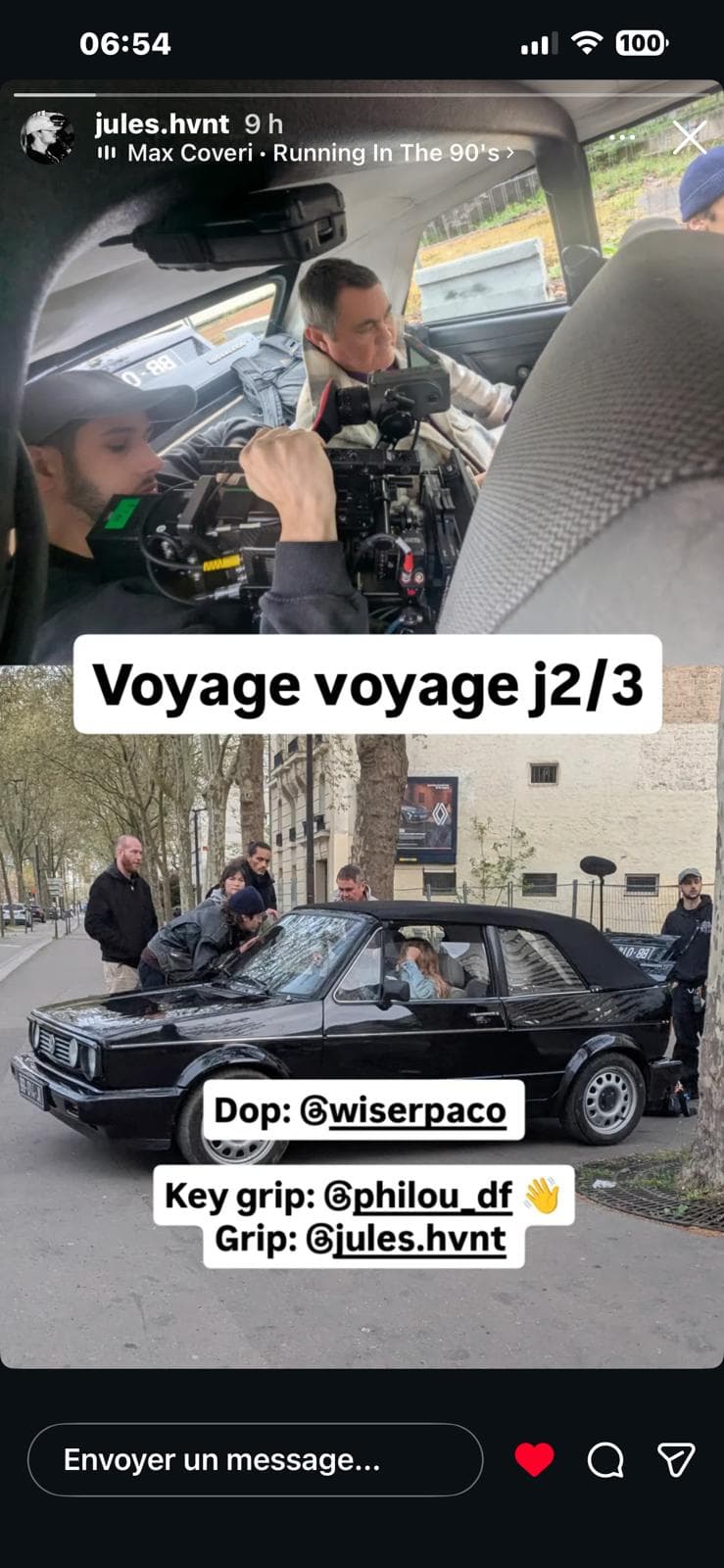
A working cinematographer, not a retired one.
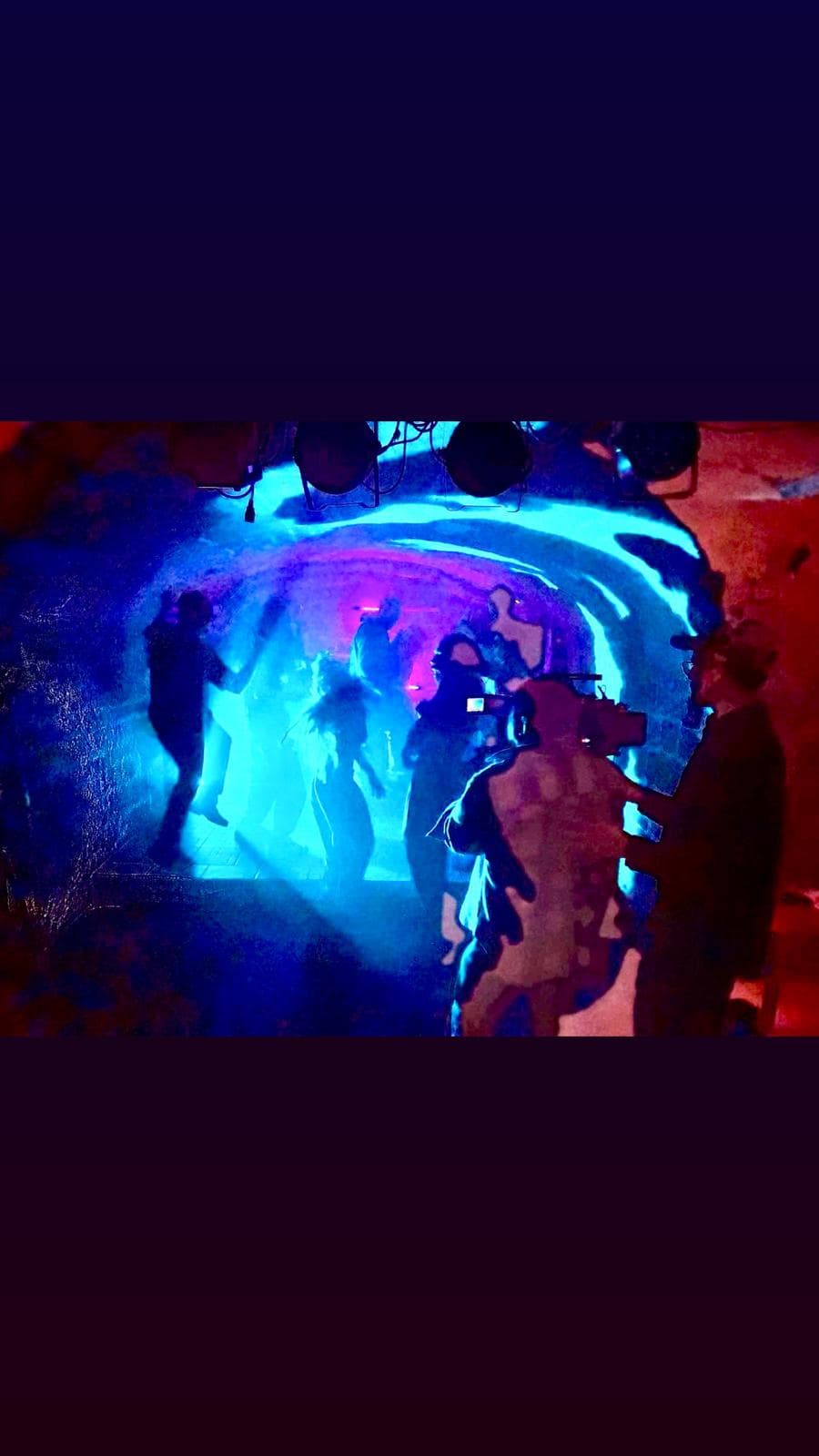
Paco still books shoots. Every week. Last month it was Voyage Voyage, a feature shooting through Paris with a young director and a small crew. The week before, two short films and a music video.
That matters. The references you get aren’t from someone who left the camera behind in the 90s. They’re from someone who was on set yesterday, solving the same problems you’re writing into your scenes — or seeing in the films you love.
Frequently asked
What's the difference between Explore and Script Check?
Explore is for film lovers: pick any film you love, and Paco asks you what you noticed — about the lighting, the framing, the rhythm — and helps you see how it works. No script needed, just curiosity. Script Check is for filmmakers writing their own work: paste a scene and get specific coaching notes back. Most people start with Explore — it’s lighter, more playful, and reframes how you watch movies forever.
Who is Paco Wiser?
Paco Wiser is a Franco-American cinematographer with 45+ years of working experience and current faculty at EICAR (Paris). He trained at INSAS Brussels and has taught and shot across Europe, India, South Africa, and the United States. CineCoach is the digital extension of his teaching method.
Do I need filmmaking experience to use CineCoach?
No. Explore is designed for anyone who loves movies — students, hobbyists, curious viewers. You don't need to know cinematography terminology; Paco teaches it through the films you already know. Script Check is more useful if you're actively writing or rewriting, but it’ll work with a single scene too.
How is CineCoach different from generic AI tools?
Generic AI gives generic notes. CineCoach is grounded in one cinematographer's lifetime of judgment — the references, the visual instincts, the three-pass evaluation method (audience, professional, cinematographer) Paco has refined teaching at film schools for decades. The conversation reads like a master class, not a checklist.
Is CineCoach for film students, working filmmakers, or both?
Both — plus serious film fans. Individual users subscribe at €20–30/month. Film schools partner with CineCoach to give every student personalized feedback at €18–20 per student per month — far less than hiring more faculty per cohort.
What languages does CineCoach support?
Fully translated and indexable in fifteen languages: English, French, Italian, Spanish (Spain and Latin America), Portuguese (Portugal and Brazil), Polish, German, Dutch, Hungarian, Russian, Romanian, Czech, and Turkish — every language gets its own URLs and translated copy. The film catalogue spans Hollywood, European, Latin American, Indian, and Asian cinema.
Start where you’re curious.
No signup needed to read what CineCoach does. Sign in only when you’re ready for your first conversation — or your first scene.