Why this film
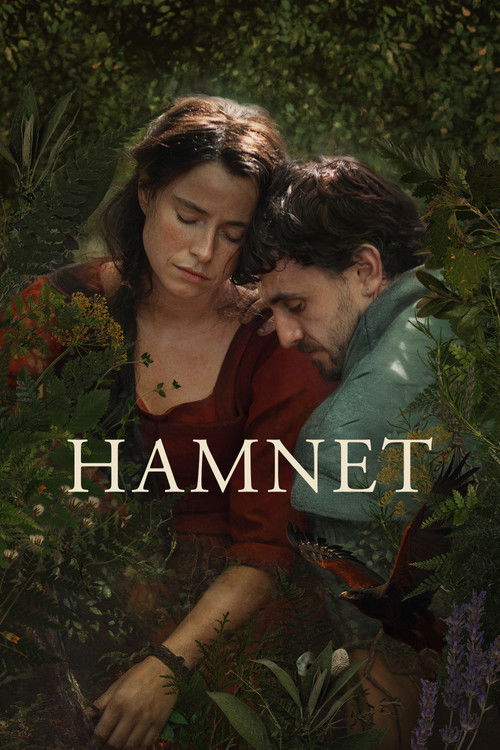
Chloé Zhao brings her naturalist eye to Elizabethan England and discovers something most period films miss: that the past was not a museum. It was alive. The light is real — candles, hearth fire, English overcast. The colors are earned — wool, mud, skin, ink. There are no polished costumes under studio lights. When you see Agnes in her garden, you smell the earth. When you see Will in the playhouse, you feel the sawdust. This is what happens when a filmmaker refuses to let the period become a postcard.
Key scenes to study
- ●Agnes in the garden — golden hour through herbs and wildflowers, color as life and abundance
- ●The death scene — color desaturating gradually, warmth leaving the frame as warmth leaves the body
- ●Will at the Globe — amber candlelight and dark wood, the playhouse as a world built from firelight and shadow
What you’ll learn to see
- ✦Understand how color palette carries emotional narrative — warm to cold as life to grief
- ✦See naturalistic cinematography as a choice: refusing studio lighting forces you to find beauty in real conditions
- ✦Recognize that period films don't need to look like period films — authenticity comes from texture, not costume